
The Effectiveness of Predictive Advertising in Multifamily
Predictive advertising has been touted as “the next big thing” in digital marketing — promising marketers smarter targeting, better-qualified leads, and cost-effective ad spend.
Other companies have championed the technology, claiming that predictive analytics can help forecast future renter behavior based on past data, making ad targeting more precise and impactful. But is predictive advertising really the game-changer it claims to be? Does it deliver “said results?”
After digging into recent research and analyzing industry results from the last year, the evidence suggests that the effectiveness of predictive ads, especially in multifamily marketing, may not be as clear-cut as proponents would like us to believe.
In fact, we’ve found that more transparent strategies can often deliver better results, which is why we’ve steered away from predictive ad services.
Let’s explore why predictive ads fall short and why Criterion.B takes a more straightforward approach to multifamily marketing.
What Is Predictive Advertising?
If you have spent time working on digital ads, you know the cost has risen significantly in recent years. Meta’s cost per thousand (CPM) has increased 61% yearly, and Google’s programmatic display CPMs increased 75% in the same period, according to The Drum. Meanwhile, many brands are tightening their budgets due to economic uncertainty, yet consumers are expecting better ad targeting, personalization, and overall messaging than ever before.
So how have advertisers and agencies attempted to combat this? Well, they’ve been dabbling in predictive ads (or trying).
“We rushed into [predictive advertising], hoping for big returns but ended up spending too much with little to show for it,” said James Heartquist, owner at Modern Property Solutions. “Our main problem was not using our budget wisely, which led to few sales.”
Predictive analytics uses artificial intelligence (AI) and data from past campaigns to forecast future behaviors. In theory, it allows marketers to target potential renters before they know they’re in the market for an apartment. The idea is simple: by using data like browsing habits, previous searches, demographics, subscriptions, and demographic information, you can predict who is most likely to convert and target your ads accordingly.
Predictive advertising is a subset of predictive analytics that uses historical data, machine learning techniques, and algorithms to target audiences and optimize ad copy and media spending accurately.
In essence, predictive advertising enables brands to build highly targeted audience segments based on millions of behavioral signals and customer attributes. There are several key techniques used in predictive advertising, each offering different levels of sophistication and impact:
- Look-alike modeling: This technique identifies new users who resemble an existing customer group. It’s a simple approach often built into platforms like Facebook and LinkedIn.
- Classification modeling: Similar to look-alike modeling but with an additional layer of filtering, this method excludes users who aren’t ideal targets.
- Click-based optimization: By analyzing user intent, AI predicts the likelihood that a customer will take specific actions, such as clicking on an ad or making a purchase.
- Uplift modeling: This advanced technique predicts how an ad or intervention will affect a customer’s likelihood of purchasing, giving brands even deeper insight into campaign effectiveness.
The Predictive Ads Promise vs. Reality
Companies promote predictive advertising as a way to get more qualified multifamily leads at a lower cost. According to them, this technology helps to refine Google Ads targeting and reach potential renters earlier in their decision-making process.
While this sounds great in theory, industry research shows the results aren’t always as successful as predicted. The goal is to create a more personalized and timely ad experience, but predictive ads can struggle with accuracy as they rely on assumptions about behavior that can be hard to validate. As multifamily experts highlight, the unpredictable nature of renter decision-making makes it difficult for these systems to consistently deliver better conversion rates.
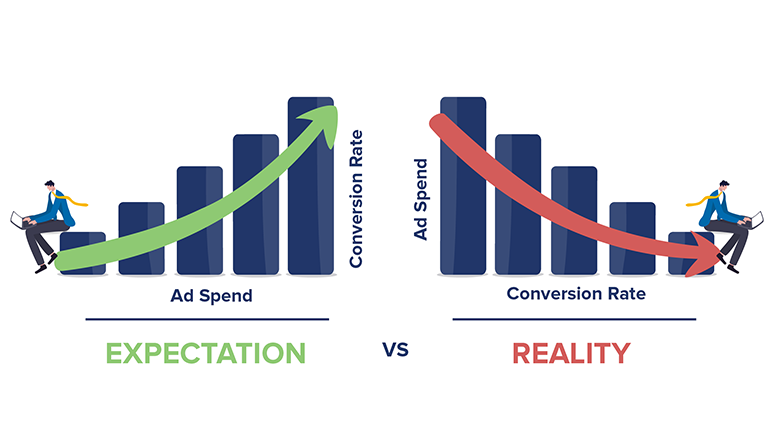
Recent Conversion Logix data showed that while predictive ads could improve click-through rates, the conversion rates (lead-to-lease) weren’t significantly better compared to more straightforward advertising methods.
Predictive Ads Struggle With Accuracy
One of the significant flaws with predictive ads is their reliance on historical data to forecast future behavior. Companies without access to substantial, high-quality data sets may find it challenging to create accurate predictive models.
“A primary challenge for multifamily and real estate marketers in predictive advertising is navigating its complex processes,” said Zach Shepard, principal at Braddock Investment Group Inc. “It involves collecting large amounts of data from multiple sources, analyzing it accurately, and using it to make predictions about potential customers or tenants. This can be a daunting task for those who are not familiar with data analysis and predictive modeling.”
Shepard believes many marketers may lack the necessary tools or resources to implement a successful campaign, which could result in inaccurate predictions or an ineffective strategy that does not yield the desired results.
“In some cases, the negative experience with predictive advertising may stem from unrealistic expectations,” said Shepard. “Marketers may expect immediate and drastic improvements in their marketing efforts without considering the time and effort required to collect and analyze data for accurate predictions.”
Even when sufficient data is available, predictive algorithms often overlook critical variables such as weather changes, shifting moods, or personal relationships — factors that can dramatically influence purchasing decisions in ways that a computer cannot easily anticipate.
“One of the primary issues that marketers face with predictive advertising is inaccurate targeting,” said Robert Fausette, owner of Revival Homebuyer. “Predictive algorithms use data analysis to predict which individuals are most likely to take a certain action, such as clicking on an ad or making a purchase. However, this data is not always accurate and can lead to targeting the wrong audience. This results in wasted advertising budget and lower conversion rates.”
Multifamily Executive reported that renter behavior can be highly volatile, especially in uncertain economic times, making predictive analytics less effective. Renters’ priorities shift based on changing market conditions, economic factors, and personal circumstances that predictive algorithms struggle to account for.
Additionally, predictive models are not static and must be updated continuously to remain relevant. As customer behavior evolves, a model that once worked may quickly become obsolete, leading to inaccurate predictions and wasted ad spend. A perfect example is the 2008 financial crisis, where models predicted mortgage customers would repay loans but failed to account for the collapse in U.S. housing prices.
“Our biggest challenge was getting good leads that actually turn into customers,” said Dino DiNenna, real estate broker at Hilton Head Realty Sales. “We tried a big ad campaign for our fancy apartments, and while lots of people clicked, not many ended up applying. It was frustrating to see all those clicks but so few real leads.”
In multifamily marketing, relying too heavily on outdated models can result in poor targeting, ineffective ad spend, and ultimately, lower ROI. While predictive advertising offers potential, its limitations make it less reliable compared to real-time data-driven approaches that adapt to renters’ immediate needs and behaviors.
In contrast, real-time data like live pricing updates and real-time availability are far more accurate because they reflect the current state of the market. BestEverCRE found that renters are more likely to convert when presented with up-to-date, transparent information such as pricing, unit availability, and immediate offers. This real-time approach provides actionable data, allowing for a more direct path to conversion without relying on speculative forecasts.
The Case for Simplicity: Live Pricing and Availability
One of the most compelling arguments against predictive ads is the simplicity and effectiveness of using real-time data. MultifamilyBiz highlighted that real-time availability and pricing updates directly impact conversion rates because they offer renters the information they need when needed.
By focusing on strategies that prioritize transparency — like showing what units are available right now or offering dynamic pricing — you create a more immediate sense of urgency and trust. Renters are far more likely to act when they know exactly what’s available, at what price, and when they can move in.
Ashley Gawley LRE, founder at Launch Real Estate, advises balancing data with understanding the hyperlocal market, property, and target audience. “For multifamily, look at lease-up rates, turnover, and demand for specific unit types — not just broad demographics,” Gawley said. “Consider hosting focus groups to gain qualitative insights into what’s really driving people’s housing decisions.”
Michael Yerardi, owner of Turning Point Home Buyers also faced challenges with predictive ads when the qds were not matching up with how residents felt about living at the properties. “We listened to what our residents had to say and made big changes,” Yerardi said. “For example, we promised to fix things within 24 hours, which made people much happier. By focusing on making life better for our residents — not just on flashy ads — we got 20% more people to stay with us.”
At Criterion.B, we’ve seen firsthand that simpler methods can outperform more complex, algorithm-based systems like predictive ads. Instead of trying to guess what renters might want in the future, we focus on delivering relevant, real-time information that speaks directly to their current needs.
The Fallacy of Predictability
Predictive advertising often promises that with enough data, marketers can forecast consumer behavior with precision. However, this is where the fallacy of predictability comes into play.
The desire for predictability can lead brands to rely on data and past performance to the point of stifling creativity and innovation. While predictive tools analyze everything from location to preferences, purchases, and search history, they ultimately fail to account for the messiness of human behavior. They can’t account for the emotional and personal factors influencing renter behavior.
Advertising has never been an exact science, nor should it aim to be. The idea that past consumer actions can reliably predict future behavior is flawed, and companies relying too heavily on predictive analytics will likely experience diminishing returns. Past performance does not predict future results. The repetition of predictable tactics inevitably leads to stagnation.
While data can provide insights, the art of advertising lies in its ability to engage, surprise, and break through the ordinary. It’s not about being predictable but about showing up in unexpected places and finding the human connection that resonates with people on a deeper level. Effective advertising is about understanding human behavior — not just the data sets it generates — and creating campaigns that reflect society’s complex, ever-changing nature.
Brands that rely solely on predictive ads risk becoming part of the ignorable 85% of ads that go unnoticed. By rejecting the predictable and embracing creativity, companies can produce advertising that stands out, breaks norms, and becomes part of the cultural conversation.
“We invested in a campaign aimed at prospective renters based on data analytics, but the audience we reached often didn’t align with our ideal tenant profile,” said Justin Landis, founder of The Justin Landis Group. “Many of the leads we received were unqualified, leading to a low conversion rate and wasted marketing dollars. We also faced challenges with the technology itself. The predictive models sometimes failed to account for local market nuances, resulting in ads that felt generic and disconnected from our community’s needs. This misalignment made the campaign feel less personal, and potential renters often overlooked our offerings.”
“The negative experience was frustrating, as we had high hopes for improving our lead generation,” Landis continued. “To pivot, we shifted our focus from purely data-driven advertising to a more integrated approach that included community engagement and personalized messaging. We began leveraging social media to connect with potential renters directly and gather feedback.” This approach enhanced the brand image of The Justin Landis Group. It allowed the company to tailor its offerings to meet audience needs better, ultimately leading to more successful marketing outcomes.
In the multifamily space, where renters’ needs and expectations evolve quickly, it’s essential to stay agile. Predictive ads, which focus on historical data, can leave marketers blind to new opportunities or shifts in renter behavior. Instead of relying on predictive analytics, focusing on live data, real-time updates, and human-driven insights will help brands remain relevant and adaptable in a constantly changing market.
“We learned the hard way that keeping up with what residents want is crucial,” said Nick Stoddard, CEO at KC Property Connection. “We once ran ads aimed at young professionals, but it flopped because we didn’t consider families looking for bigger homes. After tweaking our approach to include families, we saw a big jump in leads and a 15% increase in occupancy rates. This experience taught us that regularly updating our marketing strategies is key to staying on top of changing resident needs.”
The Human Element: Why Predictive Ads Miss the Mark
While artificial intelligence (AI) is growing in digital marketing, its use in long-form content and predictive advertising isn’t without challenges. AI tools used in predictive analytics often reduce complex behaviors to data points, missing the nuances of human decision-making.
AI-driven predictive ads are not always effective in capturing the attention of renters seeking personalized experiences. Renters prefer authentic and relevant brands, which AI-driven, predictive models often struggle to achieve. Psychology Today reported that 70% of consumers spend more with authentic brands.
“The overreliance on AI in predictive advertising presents a challenge for us,” said Ryan Whitcher, founder and CEO of Harmony Home Buyers. “We initially embraced AI for our ad campaigns but soon realized it led to biased targeting and a 30% drop in qualified leads over three months. To address this, we implemented a hybrid approach, combining AI with human oversight, resulting in a 25% increase in qualified leads within two months and teaching us the importance of balancing technology with human expertise in our marketing strategies.”
Although 77% of advertisers have a favorable opinion of AI, consumer sentiment tells a different story. A 2024 report from the Edelman Trust Institute revealed that trust in AI among U.S. consumers has dropped by 15% over the past five years, declining from 50% to just 35%.
Also, a recent Neil Patel study found that content marketing incorporating personalization and emotional engagement outperforms data-driven, predictive ad strategies by 94.12%. Renters want to feel connected to the brand they’re considering, and predictive ads often fail to create that connection.
At Criterion.B, we prioritize building trust and emotional engagement through tailored content, real-time updates, and personal interactions. This approach builds lasting relationships, which is something predictive ads can’t do.
Why We Don’t Offer Predictive Ads
At Criterion.B, we’ve done our research. While predictive advertising may have its place in certain industries, the multifamily market demands a more dynamic, real-time approach. The unpredictable nature of renter behavior — combined with the increasing need for transparency and trust — means that predictive ads often fall short.
Rather than relying on speculative technology, we focus on proven methods: real-time pricing, availability updates, tailored content, and building genuine connections with renters. This approach doesn’t just drive traffic — it builds relationships. So while the allure of predictive ads is tempting, we’re committed to more personable (and reliable) strategies.
Proven Marketing Strategies From Industry Leaders You Can Start Using Today
Marketing can sometimes feel like a game of trial and error, but a few tactics consistently hit the mark.
We’ve chatted with 16 industry pros who’ve nailed down the strategies that work, from the power of cause marketing to the smart use of content repurposing.
Here’s a look at the marketing tactics these experts can’t live without — and why they’re so effective.
1. Champion Cause Marketing
One marketing strategy example that has shown immense success is cause marketing. Patrick Beltran, Marketing Director at Ardoz Digital, explains that this approach involves partnering with nonprofit organizations and charities to support meaningful causes. By aligning your multifamily brand with a cause, you add a human element to your marketing efforts, significantly boosting consumer perception and engagement.
“Consumers genuinely feel good about their purchases when they know their money is helping provide essentials like shelter, food, or other support to those in need,” says Beltran. The key to success with cause marketing is choosing a cause you are passionate about, as this authenticity drives better results for your campaigns.
2. Host Value-Packed Webinars
Webinars have become a staple in many marketing strategies due to their ability to provide value and engage directly with potential customers. Rohit Vedantwar, Co-founder and Director at Supramind.com, highlights the effectiveness of this tactic by sharing how his team’s webinars led to a 45% increase in qualified leads and a 30% rise in product trials within six weeks.
“Webinars position our brand as a thought leader while fostering a sense of trust and authority with our audience,” says Vedantwar. By offering actionable insights and detailed product demos, webinars attract participants and drive conversions by addressing the specific needs of your audience.
3. Segment Newsletters by Interest
Personalization in marketing is crucial, and one way to achieve this is by segmenting newsletters based on subscriber interests. Meaghan Maybee, Marketing Communications Specialist at pc/nametag, shares how her team’s segmented newsletters have led to higher open rates, click-through rates, and lower unsubscribe rates.
“Our marketing team creates multiple newsletter types according to a subscriber’s unique interests,” says Maybee. This approach ensures that the content delivered is relevant to where the subscriber is in their buyer’s journey, making them more likely to engage with the emails and ultimately convert.
4. Nurture Leads with Email Campaigns
Email marketing remains one of the most effective ways to nurture leads and build relationships with potential customers. Randy Speckman, CEO at Randy Speckman Design, swears by nurturing email campaigns, sharing how a seven-email drip campaign for an online course launch significantly increased sales on launch day.
“Email nurturing works because it builds familiarity and trust over time,” says Speckman. The key to success with email marketing campaigns is providing real value in each message, which helps establish your brand as an authority in your field and encourages recipients to take action when the time is right.
5. Present at Industry Events
Industry events offer a unique opportunity to showcase your expertise and connect with potential clients face-to-face. Nicole Farber, CEO of ENX2 Legal Marketing, shares how presenting at law schools and marketing conferences has led to multiple new clients and substantial new business.
“Presenting in front of audiences allows me to showcase my knowledge and expertise,” says Farber. By establishing yourself as a thought leader and providing valuable insights, you can generate leads and build credibility in your industry.
6. Create In-Depth Content Guides
Content marketing is a powerful tool for establishing your brand’s authority and driving qualified leads. Josh Cremer, CEO and Creative Director at Redfox Visual, shares how an in-depth guide on local SEO best practices significantly increased qualified leads for his agency.
“Content works because it establishes your expertise, builds trust, and provides value to readers,” says Cremer. In-depth content guides address key concerns and questions that your audience may have, positioning your brand as a go-to resource in your industry.
7. Optimize Paid Social Media Ads
Paid social media advertising allows you to reach your target audience with precision and scale your marketing efforts. Jeff McGeary, Founder & CEO, PracticeVIP LLC, shares how paid social media ads have driven substantial new revenue for his clients.
“For small practices especially, paid social advertising is a game-changer,” says McGeary. By targeting your ideal customers and crafting relatable messaging, you can generate high-quality leads and achieve a significant return on investment.

8. Maximize Reach with Content Repurposing
Repurposing content allows you to maximize the value of your marketing efforts by transforming a single piece of content into multiple formats. Vaibhav Kakkar, CEO of Digital Web Solutions, highlights how his team’s content repurposing strategy led to increased reach and engagement.
“We maximize the value of our content by transforming a single piece into multiple formats,” says Kakkar. This approach ensures that your core message reaches different audience segments, making your marketing strategies more efficient and impactful.
9. Personalize Your Email Marketing Campaigns
Personalization is key to effective email campaigns. Lauren Gast, Marketing Director at Truck Driver Institute, shares how personalized email campaigns have increased inquiries for their CDL training programs.
“It works because it creates a one-to-one and relevant relationship with the audience,” says Gast. By addressing the specific needs and interests of your audience, personalized emails can significantly boost engagement and conversion rates.
10. Showcase Customer Testimonials
Customer testimonials and case studies are powerful tools for building trust and credibility with potential clients. Tim Woda, Founder at White Peak, shares how leveraging customer testimonials led to an increase in leads and inquiries.
“Real-life success stories resonate with prospects far more than generic marketing messages,” says Woda. By showcasing the tangible benefits of your services through customer testimonials, you can convert leads into customers more effectively.
11. Produce Engaging Explainer Videos
Visual content, especially videos, is a highly effective way to communicate complex messages quickly and engagingly. Kevin Watts, President and Founder at Raincross, shares how an explainer video increased qualified leads by over 30% within the first month.
“Videos work because they can convey a complex message in a short, easy-to-understand format,” says Watts. Engaging visual content can capture the attention of your audience and drive them to take action.
12. Leverage Strategic Partnerships
Strategic partnerships allow you to tap into an established network and community, providing access to high-quality leads. Robert P. Dickey, President and CEO at AQ Marketing, shares how strategic partnerships have driven significant lead generation for his clients.
“Strategic partnerships work because you’re leveraging an established network and community that already trusts your partner,” says Dickey. By creating mutually beneficial partnerships, you can gain exposure to new audiences and drive organic growth.
13. Utilize User-Generated Content
User-generated content (UGC) adds authenticity to your marketing tactics by showcasing real customer experiences. Kam Talebi, CEO of Gigli, shares how utilizing UGC has improved their ROI and strengthened connections with customers.
“UGC is more effective than brand-generated content because it showcases the experiences that other people are having with our products,” says Talebi. Incorporating UGC into your marketing strategy can build trust and engagement with your audience.
14. Organize Industry-Specific Events
Industry-specific events directly engage your target market, making them a highly effective marketing tactic. Amar Ghose, CEO of ZenMaid, shares how organizing the “Maid Summit” significantly boosted brand awareness and generated high-quality leads.
“By bringing people together and providing valuable content, we not only increased our brand visibility but also maintained a steady flow of leads,” says Ghose. Organizing events allows you to connect with your audience on a personal level and establish your brand as a leader in your industry.
15. Tailor Marketing to Generational Segments
Understanding the unique preferences of different generational segments is crucial for crafting personalized marketing strategies. Farnam Elyasof, Founder of Flex Suits, shares how tailoring campaigns to Millennials and Gen X has optimized engagement and boosted leads.
“Being aware of generational nuances ensures that you are using the right marketing strategies to boost your leads and revenue,” says Elyasof. By addressing the specific needs and preferences of each generation, you can create more effective and relevant campaigns.
16. Offer Referral Incentives
Referral incentives are a cost-effective way to amplify word-of-mouth marketing and drive organic growth. John Cammidge, Handyman at Handyman John, shares how offering a 10% discount for referrals significantly boosted revenue and client loyalty.
“Referral incentives leverage trust — clients trust their friends’ recommendations,” says Cammidge. By rewarding existing clients for referring new customers, you can create a cycle of consistent growth and client retention.
Championing Success Through Strategic Marketing Tactics
These marketing tactics, championed by industry thought leaders, demonstrate the power of strategic, personalized, and value-driven approaches. Whether through cause marketing, personalized email campaigns, or organizing industry events, these marketing strategy examples have proven their effectiveness in driving results across various sectors. With these marketing tactics, you can enhance engagement, build trust, and achieve long-term success for your organization.
Crafting a Foolproof Content Marketing Workflow for Engaging Emails
Considering that for every $1 spent, email marketing generates a return of $36, it’s clear that emails are still a potent tool for multifamily. This return on investment (ROI) makes it one of the most efficient marketing strategies.
However, while its potential for reaching your target audience with personalized messages is undeniable, the sheer complexity and time-consuming nature of managing email campaigns can be overwhelming.
Enter the world of marketing automation workflows, a game-changer that has the potential to transform your multifamily business’s approach to email marketing completely. It’s more than just a time-saving technique; it’s a strategic shift that can revolutionize how you handle contacts, monitor analytics, and streamline your email marketing strategy.
Unleashing the Potential of Automation
Marketing automation is your secret weapon in taking multifamily email marketing to the next level. With dedicated software and tools like Go High Level, you can create workflows that save time and elevate the quality of your email campaigns.
With email automation, you can revolutionize your multifamily marketing approach in several key ways:
1. Automated Email Campaigns
Multifamily companies can design and schedule automated email campaigns that cater to the unique needs of their customers, investors, and partners. This automation ensures your audience receives timely and relevant updates without manual intervention.
2. Targeted Segmentation
Email automation allows for segmenting your customer and client lists based on various criteria such as interests, history, and preferences. This means that messages can be tailored to specific groups, ensuring that each person receives content that aligns with their needs. This level of personalization fosters a stronger connection between the company and its target audience, ultimately enhancing satisfaction.
3. Enhanced Engagement
Through automated emails, multifamily companies can maintain regular engagement with their audience. These automated touchpoints inform your audience about updates, developments, and exciting opportunities. This consistent and proactive communication keeps your audience engaged and builds trust.
4. Time and Cost Savings
The power of automation lies in its ability to handle repetitive tasks efficiently. With email automation, multifamily companies can automate tasks like sending welcome emails, distributing resources, and nurturing leads. This automation not only saves valuable time but also reduces operational costs. With automated processes, companies can redirect their resources toward building and strengthening customer and client relationships.
Incorporating email automation into their strategies, multifamily companies unlock a range of benefits that enhance engagement and satisfaction and lead to substantial time and cost savings. It’s a dynamic tool that empowers these companies to operate more efficiently and effectively.
5. Monitoring Analytics in Real-Time
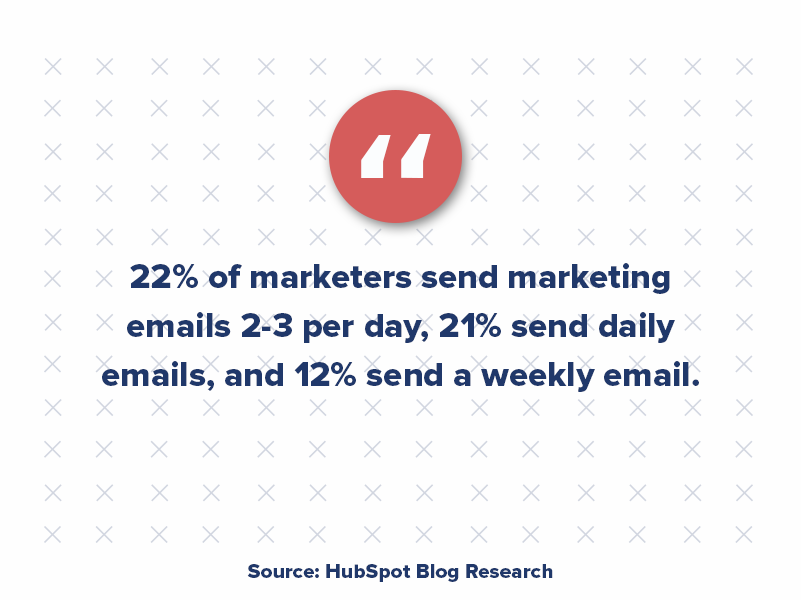
Marketing automation platforms provide real-time analytics to track the performance of your email campaigns. You can monitor open rates, click-through rates, conversion rates, and more. These insights empower you to make data-driven decisions and refine your strategies.
6. Never Losing Track of a Lead
Managing leads from various sources in the multifamily industry can be daunting. Marketing automation workflows automate lead nurturing. Set up drip campaigns that deliver timely and relevant content to leads, keeping them engaged and moving them through the sales funnel.
Creating a Content Marketing Workflow
Consistency is the cornerstone of effective email marketing. To ensure your emails consistently provide value to your audience, you need a well-defined content marketing workflow.
Here’s a step-by-step guide to help you create a content marketing workflow that guarantees your multifamily emails are always valuable and engaging:
Step 1: Define Your Objectives
Begin by setting clear objectives for your email marketing campaign. What are you trying to achieve with your emails? Are you aiming to educate your audience, promote new properties, or provide valuable insights into the multifamily market? Defining your objectives will guide your content creation process.
Step 2: Know Your Audience
Understanding your audience is paramount. Segment your email list based on demographics, preferences, and interests. This segmentation allows you to tailor your content to specific groups, ensuring each email resonates with its intended recipients.
Step 3: Content Ideation
Brainstorm content ideas that align with your objectives and audience segments. Consider creating a content calendar to plan your email topics and publication dates. Your content should address your multifamily investors’ and partners’ pain points and interests.
Step 4: Content Creation
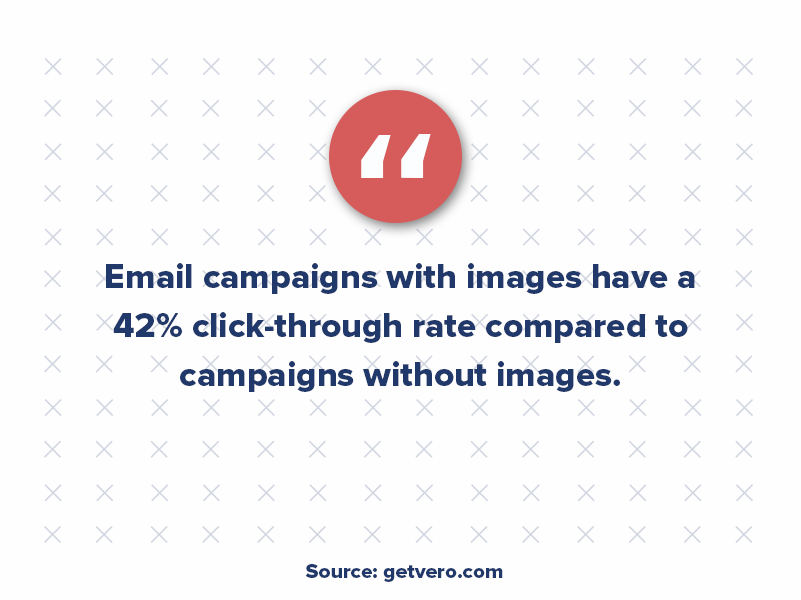
Once you have your content ideas, it’s time to create them. Whether it’s informative articles, property updates, market trends, or investment opportunities, ensure your content is well-researched, engaging, and valuable. Invest in high-quality visuals and copywriting to enhance the overall quality of your emails.
Step 5: Email Templates
Design visually appealing email templates that are mobile-responsive and user-friendly. Your templates should align with your brand’s identity and make it easy to present your content effectively. Many email marketing platforms offer customizable templates for this purpose.
Step 6: Scheduling and Automation
Set up an email schedule that aligns with your content calendar. Automation tools within your email marketing platform can help you schedule emails in advance, ensuring timely delivery to your audience. Automation also allows you to segment emails based on user actions and preferences.
Step 7: Personalization
Implement personalization tactics within your emails. Use recipient names, dynamic content, and personalized recommendations based on their past interactions with your emails. Personalization adds a human touch and increases engagement.
Step 8: Testing and Optimization
Regularly test different elements of your emails, such as subject lines, content layout, and visuals. Analyze open, click-through, and conversion rates to identify what works best for your audience. Use these insights to optimize your content and email strategies continuously.
Step 9: Reporting and Analysis
Leverage the analytics provided by your email marketing platform to track the performance of your emails. Monitor key metrics like engagement, unsubscribe rates, and conversion rates. Use this data to refine your content marketing workflow and make informed decisions.
Step 10: Feedback Loop
Encourage feedback from your audience. Provide opportunities for subscribers to share their thoughts and preferences. Use their input to fine-tune your content and ensure it consistently meets their expectations.
Which Email Automation Platform Is Best?
While numerous email marketing platforms exist, Go High Level and Hubspot are two of our favorites. This platform offers an all-in-one solution for multifamily businesses, encompassing a wide range of marketing automation tools within a single platform. This comprehensive approach simplifies your email marketing endeavors by consolidating campaign management, CRM integration, and lead tracking under one roof.
Automation is at the core of Go High Level’s capabilities. You can automate lead nurturing, follow-up sequences, and even appointment scheduling. The platform also seamlessly integrates with other tools and platforms, including CRM systems and lead generation tools, allowing you to build a cohesive marketing ecosystem.
Automation is the key to unlocking the full potential of your multifamily email marketing strategy. It’s the tool that can help you streamline your efforts, improve lead management, and deliver measurable results. By embracing marketing automation workflows and leveraging tools like Go High Level, you can elevate your email marketing services and stay ahead in the multifamily industry.

Why Apartment SEO and Multifamily PPC Are Essential for Effective Marketing
Digital multifamily marketing has evolved rapidly. While a well-designed and responsive apartment website can walk prospects through the renting process, it cannot bring them to the site independently.
Here’s where the dynamic duo search engine optimization (SEO) and multifamily PPC step in.
Diving Deeper: The Magic of SEO & PPC
Imagine you’ve started a new band and are planning your first gig. How would you let people know? Flyers are a traditional yet effective promotional method. But what if those carefully designed flyers were merely piled on a street corner, untouched?
Your multifamily website is like that flyer. It’s compelling and beautiful by itself, but how will your target audience find it?
SEO (Search Engine Optimization) – Think of SEO as strategically placing those flyers where your potential renters often visit. The ultimate aim? Climbing the ranks on search engines like Google. This is achieved by understanding your property’s unique features and aligning them with what your target audience is searching for. It’s not just about pushing your narrative; it’s about stepping into the searcher’s shoes. By understanding their needs, frustrations, and interests, you can position your brand to meet them right where they are. This process extends to your website content, blogs, social media, and back-end coding.
PPC (Pay-Per-Click) – This is a tad more aggressive. Using the band analogy, it’s like sending a band member into a popular club to hand out flyers directly to people who’d likely attend the gig. It costs more, but the results can be substantial. These ads appear prominently on search engine results. The beauty of PPC? You only pay when someone clicks to view your content.
The Synergy of SEO and PPC
Using both these methods together is where the magic happens. SEO lays the groundwork for a consistent and long-term online presence. It’s like building your band’s reputation. On the other hand, PPC can be the quick jolt of attention you need, such as announcing a debut album or a special event.
In essence, while SEO is the marathon, ensuring consistent visibility, PPC is the sprint, giving instant boosts when required. They’re integral for an effective multifamily digital marketing strategy in today’s competitive landscape.
Partners in Crime
Don’t just build a website and hope for the best. With a potent combination of SEO and PPC, backed by deep industry research and a clear understanding of your target audience, your property can stand out in the bustling apartment market. Remember, understanding your residents is a continuous journey, and it should form the backbone of all your digital marketing strategies.
Top Tips for Adding SEO and PPC to Your Campaign
Whether you are new to multifamily property marketing or looking to sharpen your approach, implementing SEO and PPC can seem daunting. However, with the right strategy, you can harness their full potential. Here are six top tips to ensure your campaign stands out:
1. Prioritize Content Creation
High-quality, relevant content is the backbone of SEO. Update your website with regular blog posts, infographics, and videos that provide value to your audience. This not only increases your website’s credibility but also keeps visitors engaged.
2. Mobile Optimization Is Crucial
More users access websites from mobile devices than desktops. Ensure your multifamily property website is mobile-friendly. A responsive design, faster load times, and easy navigation can significantly improve user experience and boost your search rankings.
3. Utilize Local SEO
Most renters search for properties within their desired area. Optimize your website for local searches by claiming your Google Business Profile, gathering positive reviews, and ensuring your name, address, and phone number are consistent across all platforms.
4. Use Laser-focused Targeting
The beauty of PPC is its ability to reach specific demographics. Use the insights from your market research to target specific age groups, interests, or behaviors. This ensures your ads reach those most likely to convert.
5. Regularly Test and Optimize Your Ads
Digital trends and audience preferences can shift rapidly. Regularly A/B test your ad copies, designs, and calls to action. This helps identify what resonates most with your audience and refines your approach accordingly.
6. Set Clear Campaign Objectives
Are you looking to drive immediate rentals, promote a special offer, or increase brand awareness? By setting clear objectives, you can tailor your PPC campaign, choose the right bidding strategy, and measure your success more accurately.
Two Sides of the Same Coin
Remember, SEO and PPC are two sides of the same coin. When implemented together, they can amplify each other’s results. For instance, the keywords that perform well in PPC can inform your SEO strategy. Similarly, the insights gathered from SEO analytics can guide your PPC targeting. By maintaining a cohesive approach, you can ensure a seamless and efficient multifamily marketing campaign.
Top Strategies for Effective Multifamily Lead Nurturing
Multifamily marketing professionals face unique issues with lead nurturing through the marketing funnel.
For the multifamily market, issues arise in the form of heavy competition from neighboring apartments and issues with customer retention. For developers, problems arise with a lack of awareness limiting incoming leads. For vendors, issues arise with qualifying incoming leads to ensure they are legitimate and within the proper target audience.
While many methods help generate leads, the best way to ensure continued success is to nurture your leads. Through lead nurturing, continued strategic contact can help ensure that the leads you generate are properly qualified and remain interested in your offerings.
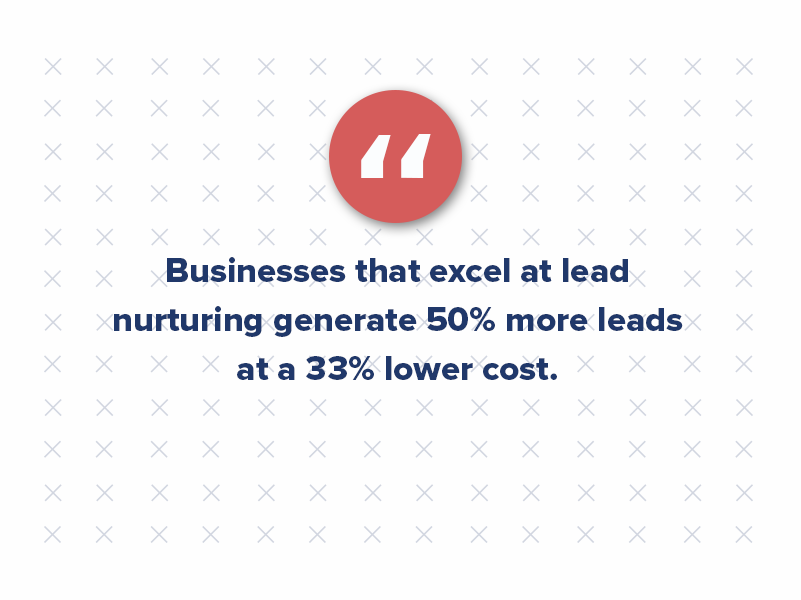
While lead nurturing is critical to the continued marketing success of any multifamily business, most companies fall woefully behind. According to HubSpot, 65% of B2B marketers have not established lead nurturing. This is a huge missed opportunity as organizations that excel at lead nurturing generate 50% more multifamily leads at 33% lower cost.
And Annuitus Group suggests that not only do companies who use automation to nurture their leads generate 451% more qualified leads but also that those leads are 47% more likely to make a larger purchase than their non-nurtured counterparts.
Knowing these lead-nurturing numbers, how many multifamily marketers miss it?
Valuing a Digital Multifamily Marketing Strategy
The commercial real estate industry is known for lagging behind the latest trends — especially in technology. The same is true for marketing techniques.
Groups without industry expertise have no idea how to use digital marketing to meet their marketing needs strategically. Combine this with a hesitancy to abandon expensive “tried-and-true” outbound methods, and it becomes clear that commercial real estate marketers are unsure how to invest in digital multifamily marketing.
The key to robust digital marketing is to attribute value to that strategy. Many commercial real estate marketers fail to do so, hurting them in the long run.
The Advantages of Lead Nurturing
- Sustain Engagement: Keep your prospects engaged and maintain top-of-mind awareness for when they are ready to purchase.
- Guide Toward Sales: Nurture your contacts by seamlessly integrating sales messages into informative, valuable thought leadership content.
- Enhance Conversion Rates: Boost the likelihood of converting leads into sales by adopting a nurturing approach that adds value, ultimately maximizing the return on investment (ROI) for acquiring contact data.
- Prevent Lead Fatigue: Reduce the risk of overwhelming leads with aggressive sales pitches immediately after they download one of your resources. People generally prefer an educational and nurturing approach, which contributes to successful relationship building and driving conversions.
Finding a Balance
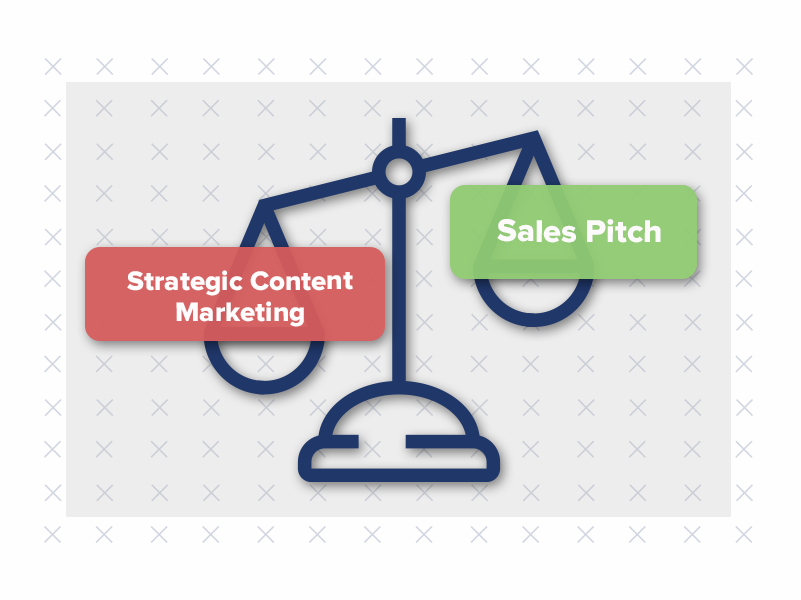
Digital marketing relies on the perfect balance of digital strategies, working together in an integrated manner to ensure consistent messaging and continued contact with an apartment lead or prospect. This means unique content — such as blogging, offers, social media content, email marketing, etc. — should all be tied around a central persona, strategy, and buyer’s journey.
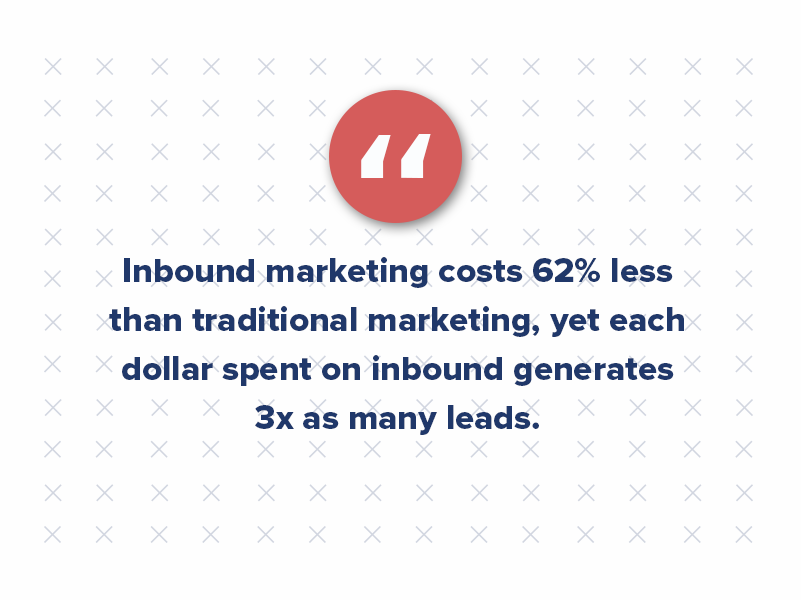
Adding these aspects together and ensuring you have the team and resources to run it all adds up. However, compared to the average standard spend on outbound strategies, the cost is typically much less. In fact, inbound multifamily marketing costs 62% less than traditional marketing, yet each dollar spent on inbound marketing generates 3x as many apartment leads.
7 Types of Email Marketing Campaigns for Multifamily Lead Nurturing
Typically, when speaking of apartment lead nurturing, people instantly think of email drip campaigns. These are email campaigns automated to go out to a list over a specific period. While this can be a lead nurturing method, it is not the only method.
The fact of the matter is that many types of lead nurturing emails may be used depending on your needs. And each has a benefit or strength.
1. Welcome and Engagement Nurturing
When bringing new leads aboard, it’s wise to nurture them while they are still hot — actively interested. Capitalizing on the novelty of your introduction to them can be a great foot in the door to a positive impression. However, it’s also important not to scare away your multifamily leads by coming off as overeager. This is where a “welcome” campaign comes into place.
The benefit is two-fold: While engaging your lead with your brand, you can use this campaign to gather information to segment the lead further. Step one of a welcome campaign is always the same — you take the time to welcome your new multifamily lead and let them know what to expect. You can also offer a free resource.
Going an extra step, you can offer these leads a way to get customized information depending on their interests. This may take much work on your backend through list segmentation and automation software. But if the framework is there, it’s work that pays off. Offer a weekly newsletter on multifamily trends, interesting statistics, or relevant industry articles.
Engagement campaigns are similar and can often stem as an off-shoot of your welcome campaign. Want feedback on a certain aspect of your business? Engage a list focused on that aspect of a focus group or survey session, and motivate them to participate. In this form of nurturing, your imagination is the limit.

2. Qualification Campaigns
A qualification campaign allows you to hone in on a lead in a critical interest time. Let’s say a multifamily lead downloads a few offers in quick succession. Adding this lead to a qualification campaign lets you speak to them clearly as they try to discover the answer to their problem. Sending more related offers with opportunities to touch base with your team brings you closer to making the lead sales qualified.
3. Traditional Nurturing Campaigns
A traditional nurturing campaign takes your lead’s interest and continues to offer relevant educational material. These types of campaigns most often accompany your overall marketing strategy. This campaign includes keeping in touch with a multifamily lead, giving them small opportunities to convert.
4. Event Campaigns
Whether hosting an event online or in person, an event campaign can help pique interest and attendance. Even if you’re trying to boost attendance to your booth at an industry conference, event campaigns are a great way to spread awareness, boost interest (usually by a unique offer), offer reminders and other great tips leading to your event, and provide an excuse for strong feedback and thank you emails that can further promote conversion.
5. Promotional Campaigns
If you have some multifamily leads you feel are on the edge of closing, a promotional campaign might be a nudge in the right direction. A promotional campaign should be very controlled, not to cheapen the perceived value of your product. Discounts, free bonuses, or even referral bonuses are good ways to augment a promotional campaign.
6. Re-engagement Campaign
Do you have a lot of leads that have gone cold? Purging these leads from your lists can seem like a waste. Instead of letting these multifamily leads go, why not implement a re-engagement campaign? This includes reminding them of your value or offering them something special to engage.
7. Upsell Campaign
Don’t let the title concern you. While upsell campaigns have a negative connotation, they don’t always have to mean or reflect upselling. Rather, an upsell campaign promotes your offerings to existing customers. In some cases, this means offering additional services.
Return Is in the Eye of the Beholder
Knowing that multifamily lead nurturing is far more complex than most marketers realize, the question becomes, which form offers the best return? The answer is not so simple. While each of these nurture campaigns requires a certain amount of upfront investment, the payoff depends entirely on your business.
The question comes down to which problem you are facing the most. If your issue is moving leads down the pipeline, a qualification campaign will most benefit your needs. If you are working on reviving multifamily leads, engagement, and re-engagement campaigns should be your go-to.
Choosing a nurture campaign tied to your strategy is more important than taking a set-it-and-forget-it route. This is where you can make the most significant impact on your business. Only then will you see sustainable success in nurturing your multifamily leads.
It’s Time to Take Digital Multifamily Marketing Seriously
Most digital marketers can probably relate to this social situation: Someone asks what you do for a living. After explaining that you work in multifamily digital marketing, the inquisitor follows up with some variation: “So, you play around on Facebook all day?”
Social media for multifamily vendors and developments, in particular, gets a bad reputation, with some business owners refusing even to acknowledge social platforms as legitimate marketing channels.
But if you think digital marketing is just fluff and noise, you are missing out on low-cost campaigns with great returns on investment that traditional marketing cannot compete with. Most businesses fail to realize that digital marketing offers more measurable value than traditional methods.
How a Company Generated $2M From One Blog
Over the years, blogging has transformed from a forum for teenagers into an affordable multifamily lead generation tool. To understand how this transformation occurred, let’s first examine how the internet has changed consumer behavior.
With a digital information repository at your fingertips, today’s consumers are more educated than ever. Gone are the days of visiting a store to speak to an expert or asking neighbors for referrals. Everything from pricing to reviews is found with a simple search.
No matter what industry or consumers you serve, customers have questions, and you can guess where they go for their answers — Google. So, how can you take advantage of this? By answering those questions on your company’s blog or FAQ page.
Marcus Sheridan, one of the earliest content marketing proponents, generated $2 million for River Pool & Spas when he published a blog post on the company’s website answering a simple question: “How much does a fiberglass pool cost?”
What did the blog post cost him? A half-hour of his time and maybe some web analytics tools? We’ll take that ROI.
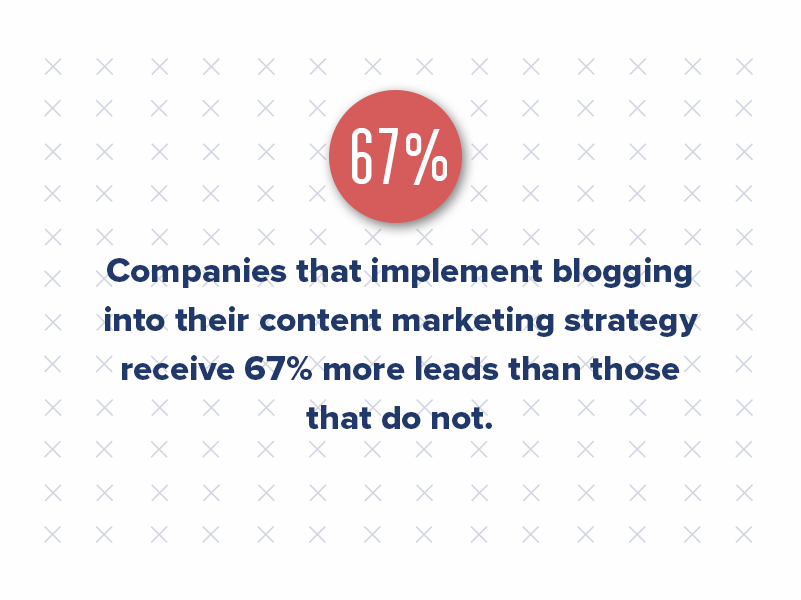
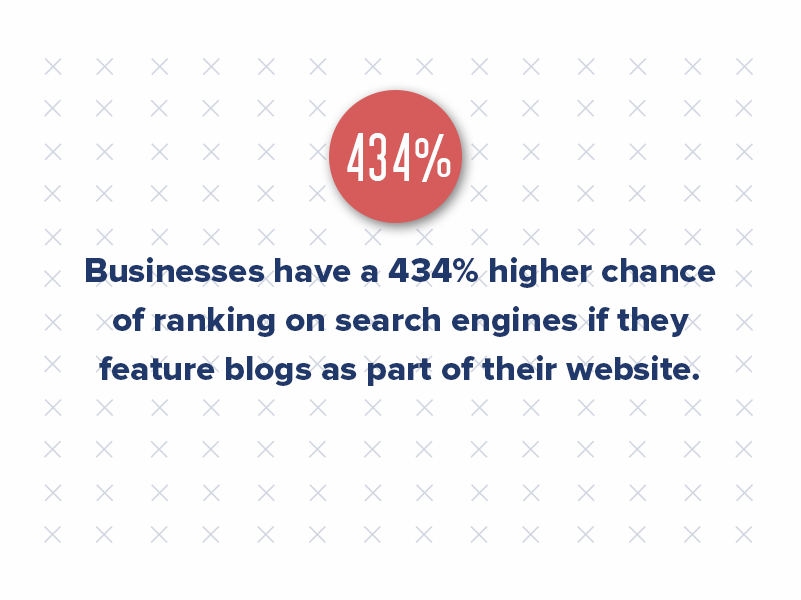
According to Tech Client, businesses have a 434% higher chance of a high ranking on search engines if they feature blogs as part of their website. Additionally, HubSpot found that companies that implement blogging into their content marketing strategy receive 67% more leads than those that do not.
Content marketing might seem pretty straightforward, but like any marketing campaign, it is important to have a strategy. For most businesses, you are not blogging just to blog; you create content to drive your marketing funnel.
Social Media’s Biggest Value-Add for Business
Multifamily owners often ask, “Is social media a legitimate way to generate multifamily leads?” But those owners might be asking the wrong question.
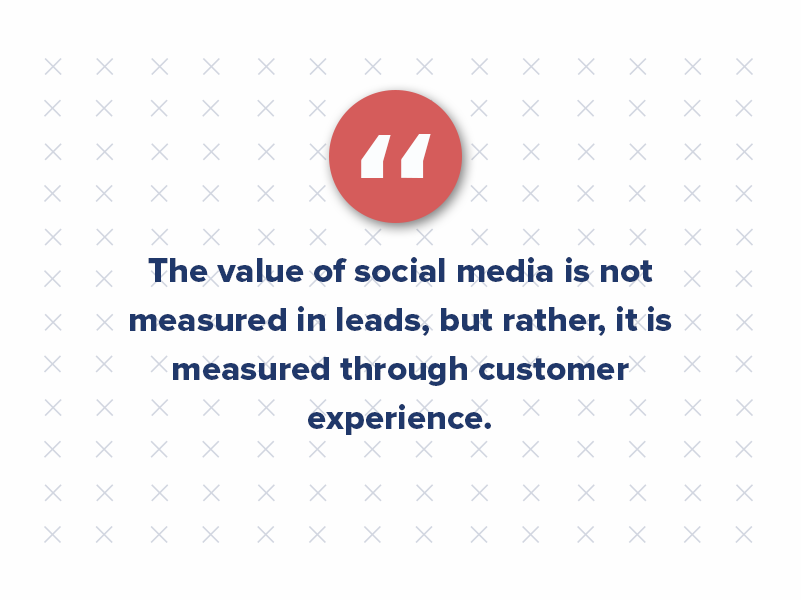
The value of social media is not measured in leads, but rather, it is measured through customer experience. According to Forrester data, a relationship exists between customer experience and stock price. People are willing to pay a premium cost for the experience with a brand.
Additionally, improving customer experience can save your company big bucks. In fact, Sprint saves $1.7 billion each year by determining and mitigating the root cause of customer dissatisfaction from calls made to its contact center.
And as it turns out, social media is crucial to improving customer experience. The internet allows word-of-mouth communication to spread easier than ever, both positive and negative.
In the multifamily industry, for example, negative commentary from residents is commonly found across social media and online review sites such as Yelp, Twitter, and Google business pages. Residents who are frustrated with a property’s maintenance issues or poor customer service often express those feelings publicly online. How a multifamily property responds will determine how a negative comment affects your business.
However, each part of your marketing strategy should fit into one cohesive piece. Your website, social media presence, user experience, customer experience, etc., should work harmoniously to establish a successful inbound marketing plan.
You Must Talk Marketing ROI (4 Key Takeaways)
As marketers, we are constantly faced with the battle of justifying ourselves and our multifamily marketing agency’s role in a company’s ROI. We must always find ways to prove to CEOs that marketing contributes to the bottom line.
But how?
Here are 4 ways to convince multifamily owners and CEOS that marketing ROI matters.
1. Be relevant — set SMART goals.
Do you find yourself constantly sharing statistics that discuss retweets, follows, visits to the website, etc.?
These stats are important, but if you have not established true goals and understand how and if your work is contributing to the bottom line, STOP IT! It’s time to set up your SMART goals, communicate with your sales team, and start being relevant to what is most important to the CEO and company: ROI.
2. Play offense, not defense.
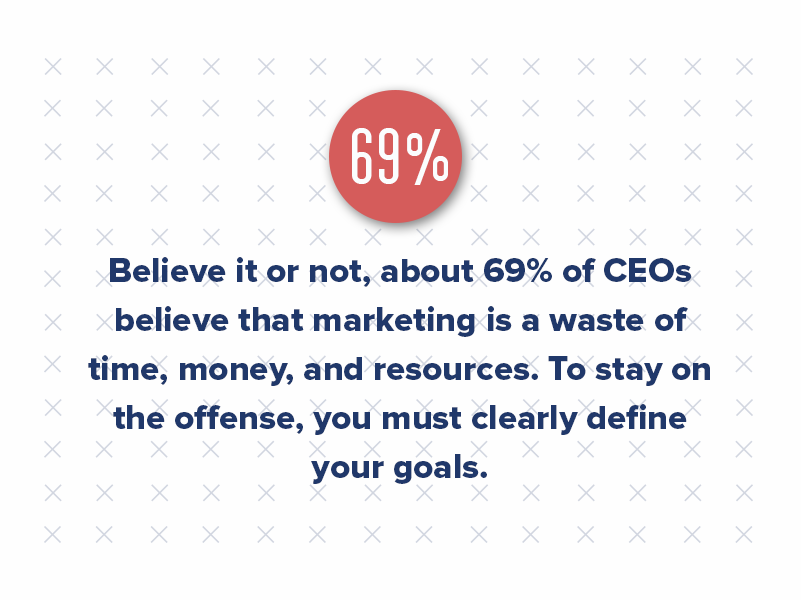
Believe it or not, about 69% of CEOs believe that marketing is a waste of time, money, and resources. To stay on the offense, you must clearly define your goals, ensure that sales and marketing are happy, and discuss the purpose behind your goals.
3. Always go after the 3 Hs.
- Head – Explain your plan of action. Defend your strategies with case studies, numbers, etc. Win over your team with proof!
- Heart – If people aren’t truly vested in your idea with their heart, you will lose them. Find out what’s important to them and how to tie your new goals to theirs.
- Hands – Now that you’ve won over your team, you’ve got to get them to get back to (or start) work! Play out those call-to-actions.
4. Prepare to show your medal.
In business, you will fight many battles. You will be criticized and put through the wringer. But, at the end, these obstacles will refine your character — just like a medal has to go through fire to be reshaped and altered.
Take risks and be the change that will keep your organization moving forward.
Why Video Is Important for Your Apartment SEO
As technology continues to improve and become more ingrained into our daily lives, video has taken the main stage. Platforms like TikTok have made binging short, quick videos easy for anyone with a smartphone. YouTube countered this with its feature called “YouTube Shorts.”

However, video isn’t just for show. There are fundamental benefits that videos add to your apartment SEO efforts. Not everyone is energized by recording videos of themselves for their properties. However, these may inspire you to reconsider an SEO video marketing strategy.
Local Geodata of Videos
Similar to photos you take from your smartphone, videos capture embedded and local geodata within the files. For example, Brotherly Love Real Estate, a homebuyer starting in Philadelphia, PA, expanded to the west coast. They began their SEO video marketing efforts in Southern California, utilizing videos to help increase their rankings.
Brotherly Love Real Estate went to each city they wanted to rank in, recorded a video, posted it directly to YouTube, and placed it on their respective website pages. This website shows how they now buy and sell houses in San Diego from the success of their videos.
The geodata gets stored in the video file through location-identifying features from the smartphone. Google recognizes that, allowing it to carry weight when considering which multifamily website to rank for certain local search terms. It can feel tedious at times to record videos and then upload them. However, the results can be worth pursuing.
Increases Time on Page Through SEO Blog Writing
Another ranking factor that Google considers when determining which websites to show for a certain query is time on page. The more real, local users spend on your multifamily website, the more authoritative Google will consider you. They assume that if people spend tons of time reading through multiple pages or posts on your site, you must know what you’re talking about. Your content is viewed as credible, trusted, and rank-worthy.
Adding a video to your pages and posts is a great SEO video marketing strategy to encourage users to linger on your pages for longer. Over time, this will boost your apartment SEO. It also makes your SEO blog writing more robust.
Certain people prefer to learn audibly or visually. For these types of people, videos are sometimes preferred over long blogs full of text. Videos will add a different channel for your users to consume your content and get value from it.
Provide Additional Web Traffic
Google likes to see traffic from different channels (sources). For example, if your property website gets traffic from Google search, Twitter, and Pinterest, it will assume you are a more legitimate business than others that only get Google search traffic. This shows Google that people find you from different areas of the internet, which is a good sign. You can show traffic through your videos on both YouTube and TikTok. This will help boost your apartment SEO efforts.
Additionally, the more traffic you get to your site, the more other apartment SEO metrics can increase. Users can find you through YouTube and then begin crawling your property website. Your time on page for certain pages can increase.
Ideally, you can create a naturally flowing funnel for users to continue watching your videos. They can hop from YouTube into your property website through a link in the video description. From there, they can start exploring the other videos on your website’s different pages.
Shows Legitimacy
The more places you are around the internet, the more trustworthy you appear to search engines. If you have a large following of subscribers on YouTube or TikTok, that carries weight with your rankings. You are viewed as an authority in the online space regarding certain topics.
Your brand also appears more legitimate to the renters surfing your property website. For example, showing your face to potential apartment leads on your site will add credibility to your multifamily brand. They will naturally feel more comfortable with your apartment communities if a more personal connection is made through your SEO video marketing.
Users will be encouraged to continue crawling your website if they trust you. A high bounce rate is a negative factor to search engines. Bridging the gap of personal connection between your property brand and your users will decrease the number of people that bounce directly after hopping on to your site.
Videos encourage people to continue browsing other areas within your site, thus making it easier to get more prospective renters on your pages and convert them. SEO video marketing will only increase in popularity as we head into the future. You must keep up with this trend and use it to your property’s advantage.
Jenn is an experienced writer for the real estate industry and a house flipper for We Buy Houses in Denver. If she’s not swinging a hammer, she’s either writing about different real estate topics or reviewing investment property opportunities.
Who Should Be in Charge of Social Media for Apartments?
By now, we’ve established that social media is another platform for communication.
Renters want information anytime, anywhere, and they want it at their fingertips. Their need for information is instantaneous, and social media for apartments is the only marketing source to deliver that.
Residents are increasingly connecting with properties online throughout all phases of the renting process, from research to retention. As a result, property managers need to be able to do their jobs online, requiring them to have a certain amount of autonomy. Social media for apartments presents several opportunities for leasing, multifamily marketing, and building relationships. However, it also presents many risks.
A Balancing Act Between Corporate and Property-Level Marketing
Online word of mouth and one bad resident experience can taint an apartment brand. Property managers (not just corporate) must be present, helpful, and interactive on social media to read, respond, and act on any negative resident feedback.
It’s natural for corporate management to want complete control over their properties’ online activity, as doing so would limit risk and maintain consistent apartment brand messaging across all properties. However, this isn’t realistic.
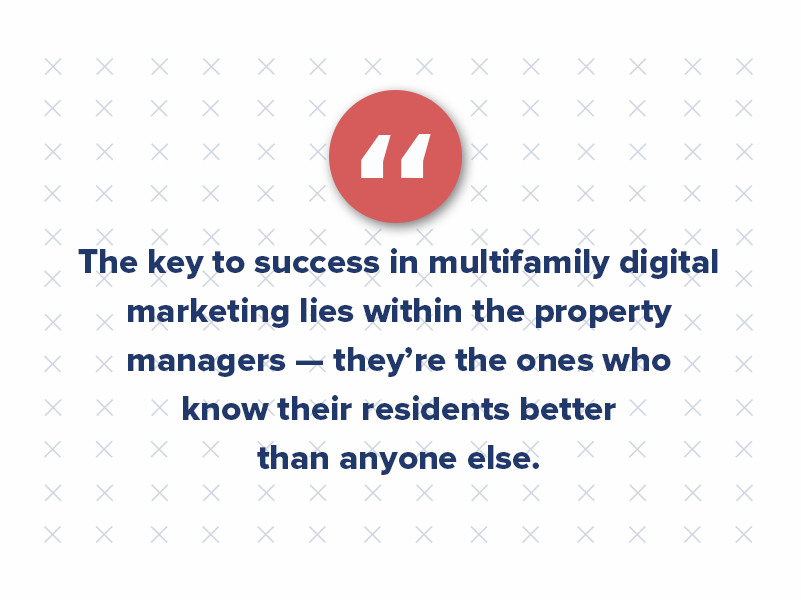
The key to success in multifamily digital marketing lies within the property managers — they’re the ones who know their residents better than anyone else. They live and work in the communities they serve, and they’re the ones interacting with residents daily.
So, how do we balance apartment brand consistency (corporate level) and local content/personalized service (property level)? The answer is quite simple. It just calls for a little training and education.
Corporate Responsibility: Training
Resident interactions on social media must be handled at the property level. Corporate management needs to take the necessary steps to train property managers. They need to provide resources (e.g., content guidelines, tone), that property managers can customize according to their residents. Employees should feel empowered to communicate on social media — that is corporate’s responsibility.

We recommend providing your properties with standard corporate messaging via a “Voice and Tone Guide” for social media and all content marketing, allowing each property to personalize its content.
Focus on keeping messaging simple and consistent. By providing guidelines for use, you can strengthen corporate apartment branding across all properties while allowing local social media to take the shape of its own at the property level.
The most important thing to remember is that corporate training should be ongoing. Organizations like the National Apartment Association (NAA) make that easy for corporate management to implement.
The NAA Education Institute offers the National Apartment Leasing Professional Program. The course includes six modules, which corporate management can license and provide for employees, either online or in the classroom. The curriculum includes everything from monitoring your online reputation to optimizing content for search engines.
Property Responsibility: Open Communication
Successful training requires an earnest effort from each property and its employees. Without their commitment, an effective digital marketing strategy is impossible to implement.
The property manager must consult their regional or national corporate representative anytime they have questions, feedback, or insight regarding social media use.
Corporate management should serve as a resource for properties and vice versa. Property managers should provide feedback on local apartment marketing efforts (What works, what doesn’t?). They should also be able to ask corporate representatives for help in unfamiliar situations and provide them with insights from their resident community.
Open communication is the key to balancing strong apartment brand messaging on social media with local personality and service.
Tying It All Together
To sum it up, here are some common threads in establishing multifamily brand development and character: A customer-centric approach is essential to the success of any multifamily digital marketing effort, whether that’s differentiating your property, meeting millennial expectations, designing your multifamily website, and so on. The most successful properties are capitalizing on the relationship-building attributes of social media for apartments and intercepting prospective renters in the places they’re already searching.
Technology is fast-changing the apartment marketing environment, and it’s up to you to respond or risk falling behind.
Why You Should Invest in Professional Multifamily Branding Services
Multifamily branding is not just a “destination.” But it’s also not just a “journey.”
We’ve said it before, and we’ll say it again: multifamily branding involves way more than an apartment logo or flowery brochure.
It’s about telling a brand story that resonates with your residents, building a brand identity that stands the test of time, and creating an honest brand from the inside out that your residents and prospects will trust.

If you want to be on the right side of multifamily branding, you need to invest in the services of a professional multifamily branding agency.
Hiring a top-tier multifamily branding agency can be stressful. We know from our clients that deciding to bring on an outside agency in the first place — let alone deciding which one to hire — is a big decision.
First, it’s a marketing cost you might not have included in the initial budget. Secondly, shifting work on something as integral to a property as its multifamily brand raises fear of losing control to a team not in your property management office.
Key to making a case for hiring a multifamily branding agency is recognizing that an agency with the right experience and creativity will help generate more apartment leads in the long run and can be one of the most important investments you make.
Here are a few more reasons why hiring our multifamily branding agency to take you on this branding adventure (or “brand-venture,” if you will) could be the best decision you’ve ever made for your property:
1. We’re truly passionate about multifamily.
Criterion.B is a digital marketing and branding agency specializing in the multifamily industry. We got our name in 2017; however, our story began nine years earlier in 2008. Known as Canonball Creative at the time, we started as a digital agency serving ad agencies. Digital marketing was starting to take off, and the larger agencies needed help navigating the market. This provided us with invaluable experience as we worked on some of the world’s largest brands, including Coca-Cola, McDonald’s, Samsung, and Pepsi, to name a few.
We specialized in building out difficult online assets in a way that would stay true to the agencies’ rigid creative guidelines. By 2014, we had already worked with a few big names in the multifamily market, such as Amli and UDR, due to the relationships we made through our ad agency connections. Then, we decided to pivot into building our direct client base focusing on multifamily.
Over the next few years, we invested heavily in the multifamily industry. We attended every conference we could find, joined associations, wrote for as many association publications as we could, interviewed key marketing professionals on the client side, and wrote hundreds of blogs focused on multifamily marketing.
In 2017, we made it official by changing our business name to Criterion.B and pivoting our focus entirely to serving the multifamily market.
In short: We are rooted in creative branding and marketing and passionate about multifamily. The perfect pairing makes us the perfect partner for your property.
2. We’re backed by the best clients.
Whether you need marketing collateral designed and printed, new swag for your property, or a full brand development package, our multifamily branding agency is ready to serve as an extension of your team to ensure consistency and positive results.
We don’t work for our clients; we work with them to create an honest, recognizable, and beautiful brand from the ground up.
Take NE Development as one example. NE Development is a premier multifamily developer in the North Dallas area. Their high-rise project in Dallas’ exploding Legacy West area, LVL 29, offers luxury living. Criterion.B has worked with NE Development from the early phases of the project to the high-rise coming online in early 2019 — through to today.
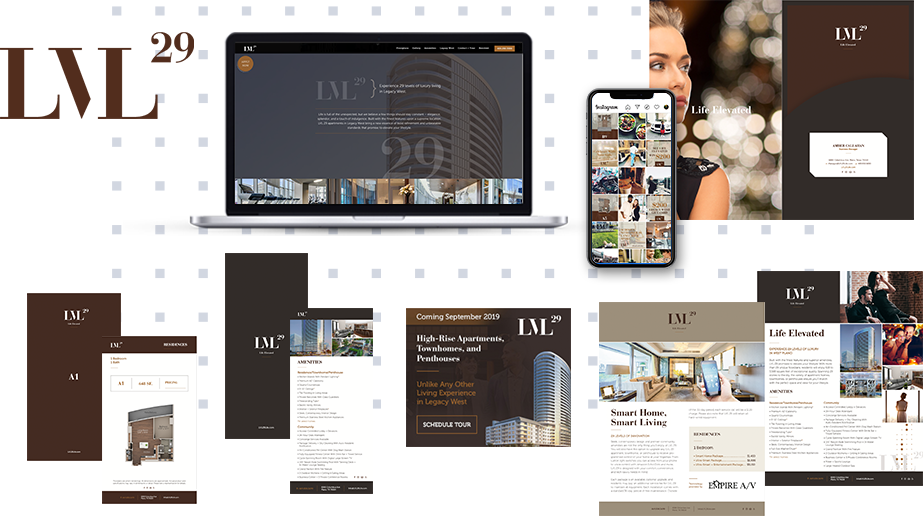
Our multifamily branding agency was tasked with helping NE Development inspire elegance, splendor, and a touch of indulgence in all brand elements of LVL 29, from naming and brand development to website, collateral, social media management, and signage design.
Criterion.B has worked with the LVL 29 team from groundbreaking and development to lease-up and beyond. From building the brand elements to managing social media content, we continue to help LVL 29 grow to new heights — and it all started with building a bold brand.
3. We offer more than just one-off multifamily branding projects.
Are you looking for a jack-of-all-trades agency that specializes in precisely what your property needs? You’ve come to the right place.
We know that a great brand and name is recognizable, unique, meaningful, and can stand the test of time; it goes beyond just the apartment logo stamped across promotional items. Through research and brand strategy, we help build a multifamily brand that connects with your customers.
At Criterion.B, we take your mission, vision, and goals and translate them into a design that will fuel the direction and growth of your new property. Investing time into developing your multifamily brand will align your internal and external audiences and drive tangible results to your bottom line.
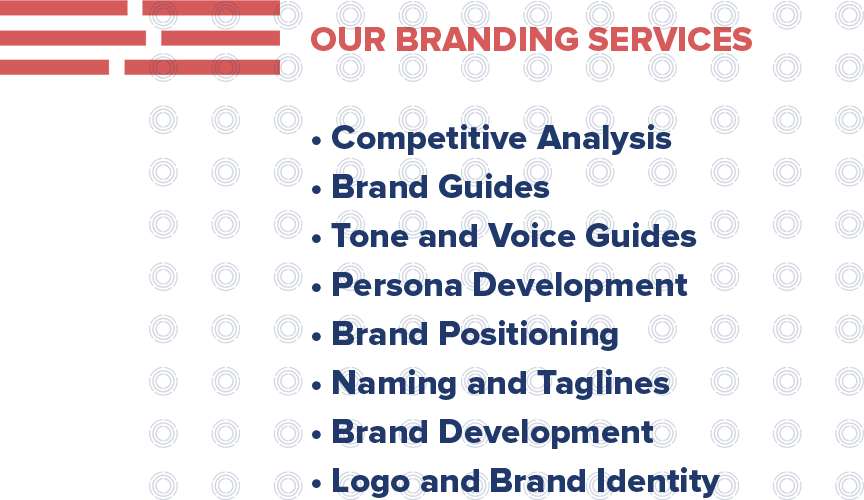
Here is a quick snapshot of the multifamily branding services we offer:
4. We bring 100 years of combined experience to the table.
A passionate team of creative professionals backs our multifamily marketing agency. We specialize in multifamily branding new developments from the ground up. Ultimately, we believe in building your brand into one that residents can trust and love.
We’ve seen a thing or two as professional marketers with more than 100 years of combined experience. We know what makes your organization tick and the best branding elements to edge out the competition. We are passionate about creating a brand that exceeds your expectations (and ultimately your goals) because your success is our success.

Essentially, we’re experts on multifamily branding, so you can focus on building your property (and leases), while we build your brand. No muss, no fuss, no hassle!
5. We understand that branding is about the journey AND the destination.
At Criterion.B, we maximize the multifamily branding potential of your real estate portfolio — whether as a developer, investor, owner, or property management company. Our passion is to blend restless creativity with remarkable multifamily branding to drive awareness and apartment leads to your property.
We’re here for you with anything you need — whether that be branding and marketing help, printing, or even just a friend to brainstorm ideas with.
Building a multifamily brand is a journey that must be traveled (no matter how complex it may be), and we were built for this adventure.
How Do You Measure Success in Social Media?
When it comes to proving the value of a digital multifamily marketing strategy, return on investment (ROI) is the keyword all executives want to hear. It may seem a simple enough request, but calculating social media ROI can get pretty tricky.
While social media ROI is definitely important, there’s a different way to think about ROI that’s critical for marketers; the foundation that a strong initial multifamily marketing strategy can provide for all future multifamily marketing endeavors.
While it may seem minimal compared to the numerical value that a multifamily marketing strategy can provide a company, it’s important to remember that the work done in an initial strategy can make or break any future marketing efforts.

Our 7+ Years of Multifamily Marketing Expertise in Your Inbox. Weekly.
Why Strategy Lays Important Groundwork
It’s easy to espouse demographic information about a brand. For example, most Oreos purchasers are parents between the ages of 24 and 39. But what does that information mean? This explains a core distinction between digital marketing strategy vs. traditional marketing efforts.
For traditional marketing, this information is simple enough for Nabisco to put out a commercial during daytime hours for stay-at-home parents that heavily features children enjoying Oreos.
For digital marketing, the approach is more complex. From this demographic information, what do we know about these parents? Where do they spend their time online? What does their buyer’s journey look like? What is a deciding factor in their purchase?
As Oreo is an established brand with years of name recognition under its belt, it’s unlikely that it would have to consider these factors to find marketing success seriously. For other companies entering the world of digital marketing, this information is “make or break.”
Knowing the important factors of your digital multifamily marketing strategy is important in your first campaign and campaigns developed down the road. Not addressing this information upfront could lead to catastrophe, forcing marketers to return to step one.

Stay Updated With New Multifamily Marketing Content
Multifamily Marketing By the Numbers
For multifamily marketers, content marketing can take time to show real results. That being said, it’s a long-term approach that improves your brand’s visibility online and helps you nurture stronger customer relationships.
While it can be difficult to assign a dollar value to marketing ROI or ROMI (Return on Marginal Investment), numbers are still important to the marketer, more focused on marketing and results than the value of the marketing.
Consider the following statistics to understand the value behind marketing beyond ROI further:
- Companies that blog 15 or more times per month see 5x more traffic than companies that don’t blog.
- 82% of businesses report actively using content marketing, up from 70% last year.
- Marketers with blogs receive 67% more leads than those who don’t.
- Marketers who prioritize blogs are 13x more likely to have a positive ROI.
- Video content is 50x more likely to drive web traffic than plain text.
- Using photos of real people rather than stock photography can result in a 35% conversion increase.
- Video was the primary form of marketing media created in 2021, followed by blogs (used by more than half of marketing teams), and infographics.
- Social engagement as a success metric was also on the rise, up 187% from 2020.
These statistics are developed from analyzing a widespread amount of marketing data and are incredibly important as marketers decide what tactics work well for their strategy. For example, knowing that blogging daily can have a large effect on the chances of customer acquisition is helpful. It may lead to a heavier blog focus in a group’s digital multifamily marketing strategy. But if persona research suggests that the key personas won’t read a blog, it might be wiser for the strategy to put less emphasis on blogging.
While marketing statistics don’t guarantee that a tactic will work for all marketers, they allow us to see important trends. Though innovation is important in multifamily marketing, it’s also vital that you’re not constantly seeking to reinvent the wheel. By utilizing trusted statistics, marketers can make educated decisions about the tactics to funnel their efforts.

How to Plan Your Next Inbound Campaign for More Renters
How Companies Are Rethinking the Value of Social Media
Social media reigns supreme in the marketing space, even above multifamily websites. Last year, a website was the No. 1 marketing channel for business. This year, social media is the top dog. In fact, it’s at an all-time high.
What does this mean for your multifamily organization? If you aren’t on social media in some capacity, you are already behind and missing out on qualified leads.
Did you know that 8 in 10 companies invested in social media marketing in 2021, and 39% plan to invest this year? Over the last year, companies had to rethink their strategies and some even hired customer experience officers to help lead the charge in this realm.
The Easiest Way to Determine Your Target Renter
But how do you measure success on social media? Engagement metrics are helpful to track, but how does that translate to conversions and social media ROI? The primary tactic for social media marketing in 2021 was listening — something that will continue into 2022 and beyond.
The true value of social media lies in the relationships you make. By establishing relationships with your followers, you can learn how to engage with them, support them, and — most importantly — convert them into sales and loyal brand advocates.
While the most popular platform for marketers is Instagram, many teams are starting to see the most social media ROI and conversions from Facebook. This is likely due to Facebook’s robust advertising platform and ability to run lead-form ads. While listening to social media is critical to your marketing strategy, you can still achieve social media ROI with lead-form ads and an effective Facebook advertising strategy.
Assigning Value to Your Marketing Efforts
Assigning value to marketing efforts doesn’t have to be solely numerical. Instead, it’s important for marketers to understand that marketing strategy offers an important starting point to all future endeavors. A digital multifamily marketing strategy also offers social media ROI that is not necessarily easily measured but impactful.
3 Keys to Multifamily Branding That Attracts Renters