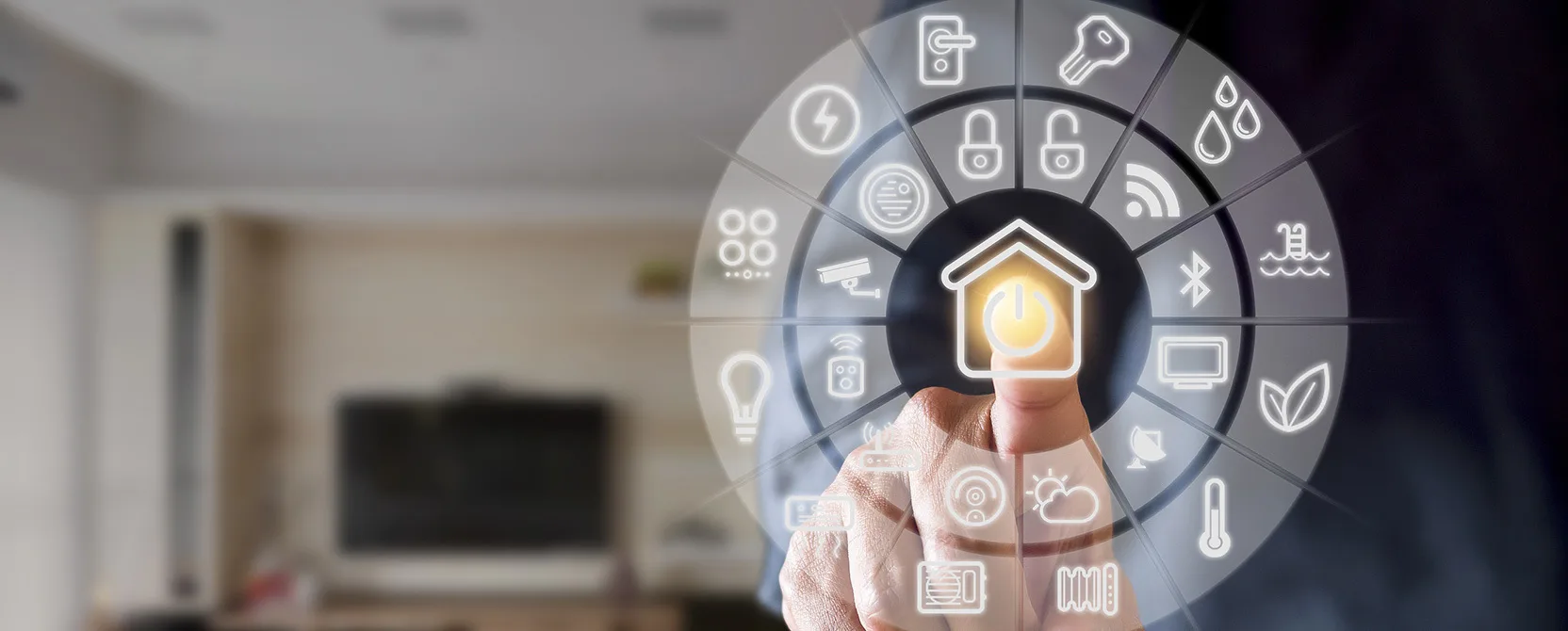
Smart home technology sounds impressive on an amenity list. It feels a lot less smart when residents cannot set it up, do not know who supports it, or lose access during an outage. Marketing should explain what people can use, how it works, and where they can get help.
Begin with the resident use case
Focus on the moments a feature is meant to improve: entry, package delivery, maintenance access, climate settings, or communication. A feature list is less useful than a clear explanation of the everyday task it supports.
Confirm the operational details
Before publishing a claim, verify which homes have the feature, whether it requires an app or additional equipment, who provides support, and what happens during an outage. Avoid calling a capability universal when it is available only in selected units or at selected communities.
Explain privacy in plain language
Connected devices can collect information. Residents should be able to understand what data is involved, who operates the service, and where to find the applicable privacy information. Marketing copy should not make broad security promises that the operating team cannot substantiate.
Make accessibility part of the evaluation
A digital feature should not create a barrier to access. Consider alternatives for residents who cannot use a particular device, app, or interface, and make sure staff know how to help.
Write the page residents need
Give residents the page they actually need: a short description, eligibility details, setup expectations, a support contact, and current policy links. Practical detail builds more confidence than another futuristic promise.
Sources
Share This Article


Subscribe to our newsletter
Related Blog Posts