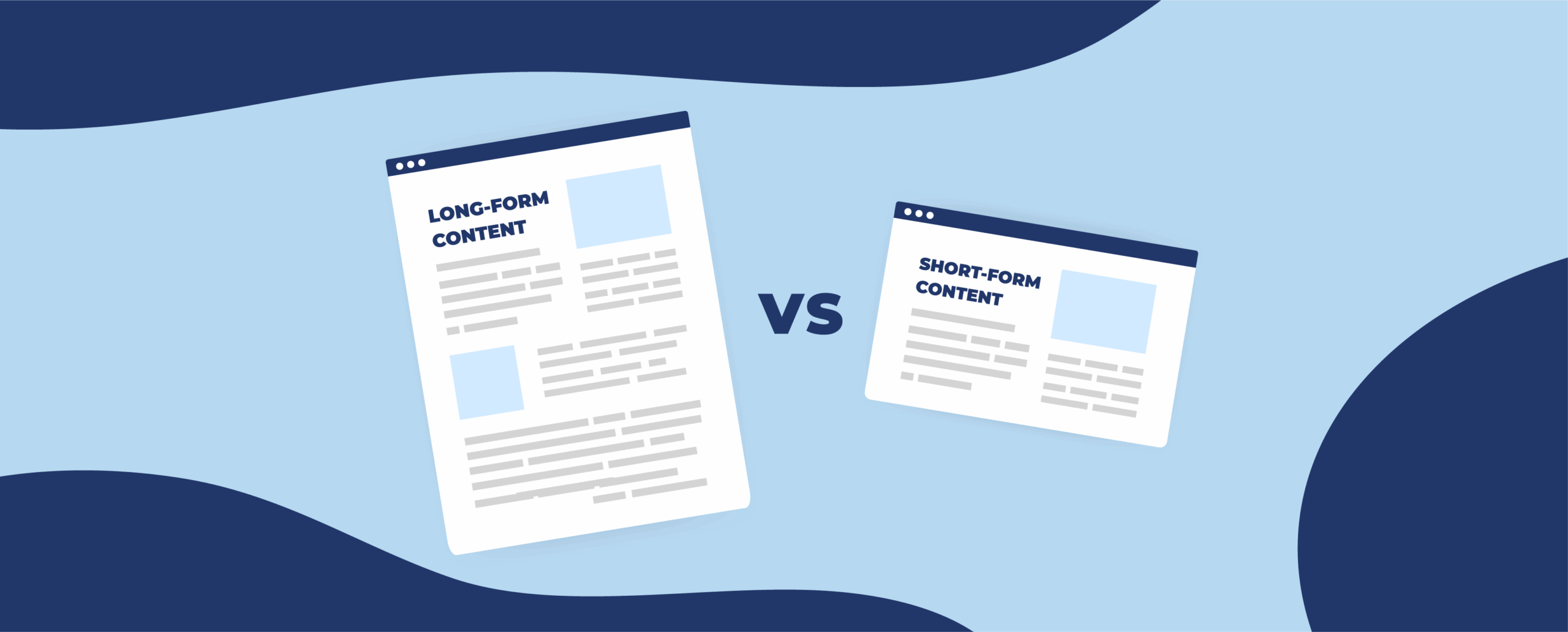
“Nobody reads long-form content anymore” sounds convincing until someone spends an hour watching a video essay about a topic they love. Short and long content are not competitors. They solve different problems. A quick update can answer a simple question, while a longer guide can unpack a complicated decision or become a resource a team returns to. The right length is the length the reader needs.
Start with the question
If a visitor needs current office hours, a quick event detail, or a direct answer about a floor plan, a concise page may be best. If they are weighing a major decision, comparing options, or trying to understand a workflow, more context can be helpful. Do not stretch a simple answer just to make it look substantial.
Match the format to the place it appears
A social post, email, landing page, blog article, and downloadable guide do not need the same amount of detail. Use the smaller format to give someone a useful idea and a clear path to more information. Use the longer format when the depth itself is the value.
Make every version complete enough to stand on its own
A short piece should not be a vague teaser wearing a call-to-action button. A long piece should not bury the answer under repetitive filler. Use descriptive headings, plain language, and links that help readers continue when they genuinely want more detail.
Review quality before quantity
Google’s guidance points teams toward helpful, reliable, people-first content. That is more useful than a word-count rule. Ask whether the page gives the reader a complete, accurate answer and whether the team has experience or evidence to support it.
Stop choosing a word count before you understand the question. Talk with Criterion B about building content in the format your audience actually needs.
Source
Share This Article


Subscribe to our newsletter
Related Blog Posts